
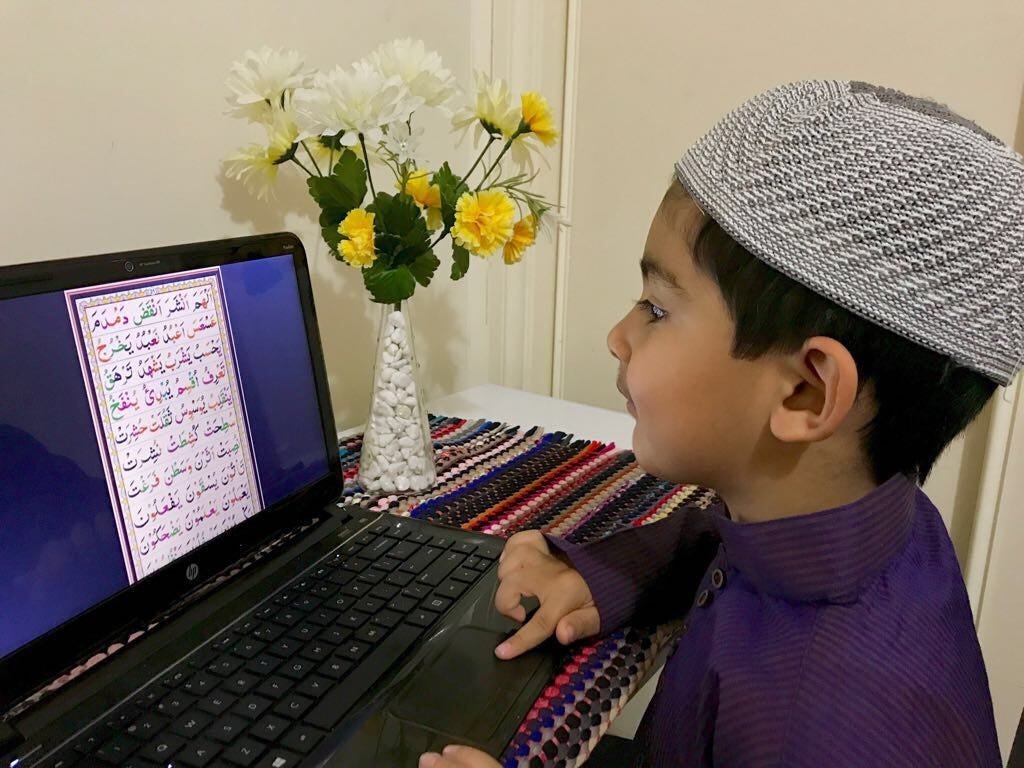
Understanding the Basics of Online Quran Classes
If you’re new to the world of Islamic studies, diving into online Quran classes can feel a bit overwhelming. These classes are designed to cater to beginners, providing a structured environment where you can learn at your own pace.
Most online Quran classes offer a flexible schedule, allowing you to choose times that fit your lifestyle. They usually include live video sessions with an instructor and often provide recorded lessons for you to revisit. Typically, you’ll need a stable internet connection and a device like a laptop, tablet, or smartphone to participate fully.
In many cases, classes are grouped based on skill level. So, as a beginner, you won’t find yourself lost among advanced students. The curriculum generally starts with basic Quranic Arabic, helping you familiarize yourself with the script and pronunciation.
Benefits of Learning Quran Online
Choosing to learn the Quran online has several distinct advantages:
- Flexibility: With busy schedules, online classes allow you to design your learning around your personal and professional commitments, making it easier to stay consistent.
- Accessibility: Regardless of your geographical location, you can connect with qualified instructors from around the world, gaining diverse perspectives on Quranic teachings.
- Personalized Learning: Many platforms allow for one-on-one sessions, where you can receive tailored guidance that meets your specific learning needs.
- Safe Space for Beginners: Online classes can provide a comfortable environment for those who may be shy or hesitant to learn in person.
For instance, when I first started learning the Quran online, I appreciated being able to pause and replay lessons until I fully grasped the material. It also enabled me to connect with peers and instructors from different backgrounds, which enriched my learning experience.
Investing time in online Quran classes not only helps deepen your understanding of Islam but also fosters a sense of community.
Choosing the Right Online Quran Classes
Factors to Consider Before Enrolling
Once you’ve made the decision to start learning the Quran online, the next step is choosing the right classes. With so many options available, it can be difficult to decide which one suits your needs best. Here are a few key factors to consider:
- Instructor Qualifications: Look for classes taught by experienced and qualified instructors. Their expertise can make a significant difference in your learning journey.
- Curriculum Structure: Ensure that the curriculum is designed for beginners and covers the key areas you want to explore, such as Tajweed (pronunciation), memorization, and understanding the meanings.
- Flexibility in Scheduling: It’s vital to choose a program that offers flexible timings that align with your availability. This way, you can maintain a consistent learning routine without feeling rushed.
- Class Size: Smaller class sizes often allow for more personalized attention. If you prefer one-on-one interaction, look for platforms that offer private sessions.
- Trial Classes: Many online programs offer free trials. Take advantage of these to get a feel for the teaching style and curriculum before committing.
Evaluating Different Online Platforms
When you start evaluating different online Quran platforms, consider how they align with the factors listed above. Here’s a simple breakdown of what to assess:
| Attribute | Platform 1 | Platform 2 | Platform 3 |
|---|---|---|---|
| Instructor Credentials | Yes | No | Yes |
| Flexible Schedule | Yes | Yes | No |
| Trial Class Available | Yes | Yes | Yes |
| Class Size | Small | Large | Medium |
For example, when I was exploring platforms, I found that one platform I liked offered a fantastic one-week trial that helped me gauge instructor interaction. This gave me the confidence to enroll, and I haven’t looked back since.
In short, take your time to review each option thoroughly. The right choice can make your online Quran learning experience both enriching and fulfilling!
Getting Started with Online Quran Classes
Setting Up an Online Learning Environment
As you embark on your journey to learn the Quran online, creating a conducive learning environment is essential. A well-organized space can greatly enhance your focus and retention of the material. Here’s how to set it up effectively:
- Choose a Quiet Space: Find a calm area in your home where you won’t be easily distracted. This will help you concentrate during your lessons.
- Limit Distractions: Turn off notifications on your phone and close any unrelated tabs on your computer. Keeping a clean workspace can really help maintain your mental clarity.
- Gather Required Materials: Ensure you have a notebook, pens, or any digital tools you may need for taking notes. Having everything within reach will make your learning process smoother.
- Test Your Tech: Before your first class, check your internet connection and test your audio and video settings. Poor connectivity can hinder your learning experience.
When I first started my online Quran classes, I set up a small corner in my room just for studying. This single change made a remarkable difference — I began to associate that space with learning and reflection.
Interacting with Instructors and Peers
Engagement plays a crucial role in the online learning experience. Here are some tips on how to effectively interact with both your instructors and peers:
- Ask Questions: Don’t hesitate to seek clarification on topics you find challenging. Instructors appreciate curious students and are there to help you.
- Participate Actively: Whether it’s joining discussion forums or group chats, getting involved will enrich your learning. Sharing insights and experiences with fellow students can deepen your understanding.
- Provide Feedback: If there are areas you feel could be improved in the course, don’t hold back — constructive feedback can help enhance the experience for everyone.
- Build Community: Create study groups with classmates. Not only does this foster a sense of belonging, but it also encourages accountability in your learning journey.
When I joined an online study group, it not only motivated me but also made learning more enjoyable as we shared different perspectives. Remember, you’re not just a passive learner; by actively participating, you’ll gain even more from your online Quran classes!
Curriculum and Learning Resources
Structured Lesson Plans for Beginners
As you start your journey with online Quran classes, having a structured lesson plan is crucial for effective learning. A well-organized curriculum can guide you through the foundational aspects of Quranic studies and build your confidence as you progress.
Most beginner courses will typically include lessons on:
- Basic Arabic Grammar: Understanding the language is key, so expect to learn frequently used vocabulary and essential grammar rules.
- Tajweed Rules: This focus will help you pronounce Quranic verses accurately, enhancing both your recitation and comprehension.
- Surah Memorization: Beginner classes often incorporate memorization techniques, enabling you to commit important Surahs to memory gradually.
- Meaning and Context: Understanding the meanings of the verses you recite is equally important. Many courses incorporate lessons on the context and relevance of specific verses.
During my initial classes, my instructor had created a clear roadmap that helped me focus on one area at a time, preventing me from feeling overwhelmed. By following this structure, I found it easier to track my progress and build on my learning step-by-step.
Supplementary Materials for Effective Learning
To enhance your online learning experience, supplementary materials play an essential role. Here are some valuable resources you might encounter:
- Interactive Quizzes: These can help reinforce what you’ve learned during your lessons. Testing yourself regularly allows you to assess your knowledge and identify areas that require more attention.
- Audio Resources: Access to audio recordings of Quranic recitations can be invaluable for improving your Tajweed and pronunciation.
- Study Guides and Handouts: Many online platforms provide downloadable resources that you can refer to outside of class. These guides can help deepen your understanding when you’re studying independently.
- Discussion Forums: Engaging in online discussions or forums can expose you to different interpretations and insights from peers. This interaction can enhance your grasp of the material significantly.
I remember utilizing audio resources extensively in my studies; listening to recitations while following along in the text really helped solidify my knowledge. By taking advantage of these supplementary materials, you’ll greatly enhance your Quran learning journey, making it both comprehensive and enriching.
Progress Tracking and Assessment
Monitoring Your Learning Progress
As you venture deeper into your online Quran classes, it’s essential to have a system in place for monitoring your learning progress. Regularly assessing where you stand not only assists in understanding your strengths but also identifies areas where you can improve. Here are some effective ways to track your progress:
- Set Personal Goals: At the beginning of your course, outline specific objectives. This could include mastering particular Surahs or achieving a certain level of fluency in Tajweed. Setting clear targets keeps you motivated and accountable.
- Keep a Learning Journal: Document your learning experiences, including new vocabulary, verses memorized, and challenges faced. Reflecting on your journal can provide insights into your growth over time.
- Use Progress Charts: Many online platforms provide visual progress trackers. Regularly check these to see how much you’ve accomplished and what modules you still need to work on.
When I first started tracking my progress with a simple checklist, I felt an overwhelming sense of accomplishment as I marked off completed lessons. It transformed my learning experience into a goal-oriented journey.
Assessments and Feedback Mechanisms
Incorporating assessments into your online learning routine can further enhance your understanding of the Quran. Here are some common assessment types and feedback mechanisms you might encounter:
- Periodic Quizzes: Many online courses include short quizzes after each module. These quizzes are an excellent way to test your retention and understanding of key concepts.
- Performance Reviews: Instructors often provide feedback on assignments or quizzes. This feedback can give you targeted insights on what areas to focus on for improvement.
- Peer Assessments: Some platforms encourage peer reviews, where students assess each other’s work. This can offer different perspectives and help you learn collaboratively.
- Regular Check-ins with Instructors: Taking the time to schedule one-on-one sessions with your instructor can be invaluable. They can provide more personalized insights based on your performance.
I remember how beneficial it was for me to receive regular assessments and constructive criticism. It created a dialogue between me and my instructor, which not only boosted my confidence but also refined my skills more effectively. Overall, progress tracking and assessments are vital elements to ensure you’re making the most out of your online Quran learning experience!
Overcoming Challenges in Online Quran Learning
Dealing with Technical Issues
While online Quran classes offer flexibility and convenience, they can sometimes come with technical glitches that can be frustrating. Dealing with these challenges effectively is essential to maintaining a smooth learning experience. Here are some tips to help you troubleshoot:
- Check Your Equipment: Ensure your device (laptop, tablet, or smartphone) is updated and functioning well. Having a reliable microphone and camera can also enhance your interaction during classes.
- Improve Your Internet Connection: Poor connectivity can interrupt lessons. If you face frequent disconnections, consider using a wired connection instead of Wi-Fi, or find a spot closer to your router.
- Have a Backup Plan: Sometimes, technical issues are unavoidable. Make sure to have an alternative device ready, or keep the instructor’s contact information handy in case you need to catch up later.
- Utilize Recorded Sessions: Most online platforms offer recorded classes. If you miss a live session due to technical difficulties, don’t panic — revisit the recorded lesson to catch up on what you missed.
When I first joined an online Quran class, I faced significant connectivity issues that would freeze my video. To tackle this, I started using an Ethernet cable for stability, which made a world of difference in my learning experience.
Maintaining Discipline and Motivation
Staying motivated and disciplined during online Quran learning can be challenging, especially with various distractions around you. Here are some effective strategies to keep your commitment strong:
- Establish a Routine: Create a consistent daily schedule for your Quran studies. Designating specific times can help build a productive habit over time.
- Set Short-term Goals: Break down your learning objectives into manageable chunks. Celebrate small achievements to keep your spirits high.
- Join Study Groups: Connecting with classmates or friends who are also learning can add a sense of accountability. Discussing lessons and sharing progress can motivate you to stay on track.
- Reward Yourself: Treat yourself after completing a lesson or achieving a milestone. This could be as simple as enjoying a favorite snack or taking a break to do something you love.
I remember creating a reward system for myself when I finished difficult lessons. It made the process enjoyable, and I found myself looking forward to my study time. By proactively addressing technical challenges and maintaining a disciplined approach, you will find that overcoming obstacles in online Quran learning becomes much more manageable.
Enhancing Your Learning Experience
Implementing Effective Study Habits
As you dive deeper into your online Quran classes, developing effective study habits can significantly enhance your learning experience. Here are some strategies that worked wonders for me and may benefit you as well:
- Active Reading: As you read the Quran or lesson materials, don’t just passively take in the information. Take notes, highlight important verses, or jot down questions that arise. This active participation can lead to a deeper understanding.
- Regular Revision: Schedule time for revisiting previous lessons. By frequently reviewing past materials, you reinforce what you’ve learned, making it easier to retain information in the long run.
- Break Study Sessions into Chunks: Rather than cramming for hours, break your study sessions into shorter segments. For example, studying for 25 minutes followed by a 5-minute break (a technique called the Pomodoro Technique) can keep your mind fresh.
- Use Visual Aids: Diagrams or flowcharts can help clarify complex concepts or connections between different Surahs. Having visual representations of your learning can enhance memory recall.
When I adopted these habits, I noticed a significant improvement in my comprehension and retention. Breaking the material down made it less daunting and more enjoyable!
Seeking Additional Support and Guidance
Learning the Quran online doesn’t mean you have to go it alone. Seeking additional support can provide valuable guidance throughout your journey. Here are some avenues to explore:
- Connect with Instructors: Don’t hesitate to reach out to your online instructors with questions or concerns. They are there to help you, and their insights can clarify challenging subjects.
- Join Online Forums and Communities: Engaging with other learners on platforms such as social media, dedicated forums, or discussion groups can create a supportive environment. Sharing experiences and tips can greatly enhance your learning.
- Utilize External Resources: Consider supplementary materials such as books, lectures, and podcasts about Quranic studies. These resources can provide different perspectives and deepen your understanding.
- Find a Study Buddy: Partnering with someone on a similar learning journey can be motivating. Together, you can share insights, solve challenges, and keep each other accountable.
I remember how transformative it was to connect with a study buddy; it added an element of fun to my learning and held me accountable. By implementing effective study habits and seeking additional support, you’ll not only enhance your learning experience but also create a fulfilling journey as you explore the Quran.
Real-life Application and Practice
Applying Quranic Teachings in Daily Life
Understanding and memorizing the Quran is only the beginning of your journey; applying its teachings in your daily life is where the true impact lies. Here are some practical ways to integrate Quranic principles into your everyday routine:
- Mindful Intentions: Start each day by setting intentions aligned with Quranic teachings. For example, be compassionate, truthful, and helpful to others, embodying the moral values you learn from the text.
- Daily Reflections: Take a few moments to reflect on a verse you’ve recently studied. How does it resonate with your current circumstances? This can encourage you to adopt a Quranic perspective in your decisions and interactions.
- Charity and Kindness: Engage in acts of kindness or charity, which are emphasized in the Quran. Demonstrating generosity not only fulfills your religious duties but also fosters community and strengthens relationships.
- Family Values: Share the lessons of the Quran with your family, emphasize family values, and incorporate Quranic morals into your home environment, creating a nurturing atmosphere for spiritual growth.
I have found that discussing verses with my family not only deepens our understanding but also strengthens our bonds, making the Quran a collective family treasure.
Practicing Recitation and Memorization Techniques
Recitation and memorization are integral parts of learning the Quran. Here are effective techniques to help you in this area:
- Daily Recitation Practice: Set aside time each day for reciting what you’ve learned. This consistency reinforces your learning and improves your pronunciation. Aim for at least 10-15 minutes of focused recitation daily.
- Use Audio Resources: Listen to renowned Quran reciters to familiarize yourself with proper pronunciation and Tajweed. Mimicking their style can enhance your own recitation skills.
- Chunking Technique: Break down the verses into manageable sections. Memorize a few lines at a time, then gradually build on them. This method can make the memorization process feel less daunting.
- Visual Cues: Write out verses and place them around your living space. Visual reminders of what you’re learning can reinforce memory and serve as prompts throughout the day.
When I memorized a particularly challenging Surah, I would write key lines on sticky notes and place them on my mirror. This daily visual reinforcement really helped cement those verses in my memory.
By applying Quranic teachings and practicing recitation, you will not only enhance your spiritual connection but also transform your everyday experiences into profound encounters with your faith.